
Dear Sef, it’s a pleasure to debate with you. I’m off to Wales for an extended Easter in cyberpurdah, so I’ll reply now rather than later. [This was received before Easter; we waited to publish it in order to allow the first essay in this series to be viewed and considered. NW]
My piece on Augoides arose from a series of experimental belief exercises in my youth when I attempted to reconcile my interpretations of Crowley and Austin Spare. In those days I had become excited by the idea of a singular personal quest. However with the passage of time I concluded that I had adopted the magician identity for its own sake as a sort of underlying theme to all the very many different things I fancied doing in this life. I could see the attraction of the ‘true will’ belief system even though it didn’t seem to bring magnificent results for some of its adherents, but I wanted more than just one will. I wanted the freedom to play at entrepreneurship, capitalism, familymanship, sculpture, travel, sorcery, writing, philosophy, politics, speculative physics, and occult theory. ‘The Raising of the Whole Man to the Power of Infinity’ (or at least a step or two upwards) if you like.
I took that from Crowley, and I also took his remark that “It is pure chance that rules the universe; therefore and only therefore, life is good” (Book of Lies). From that I concluded that I had choice rather than some sort of mysteriously concealed ‘will’ awaiting discovery, although I also had the choice of believing in that if I wanted to, however because I had the choice, the facility of choice itself seemed the more fundamental.
Anyway, to your question of magical orders, I have no problem with either louche debauchery or businesslike organisation; I enjoy both in appropriate situations.
Well you can do all sorts of things within the broad remit of a ‘Magical Order’.
At the simplest level it can consist of a bunch of likeminded people and friends who like to meet up to exchange ideas and encouragement and to try out some rituals and spells. If that proves popular and it begins to expand, some sort of formal organisation and some set of conventions about activities usually become necessary. Such orders tend to exhibit high productivity and innovation, but also often rather short life-spans.
Then of course you can have Magical Orders set up to promote a specific cultish philosophy or set of beliefs. These beliefs will have to contain highly contra-intuitive elements, as with any religion; they will need to entice followers into a double bind of emotional commitment to unattainable or self-contradictory goals.
Much monies, yesterday…
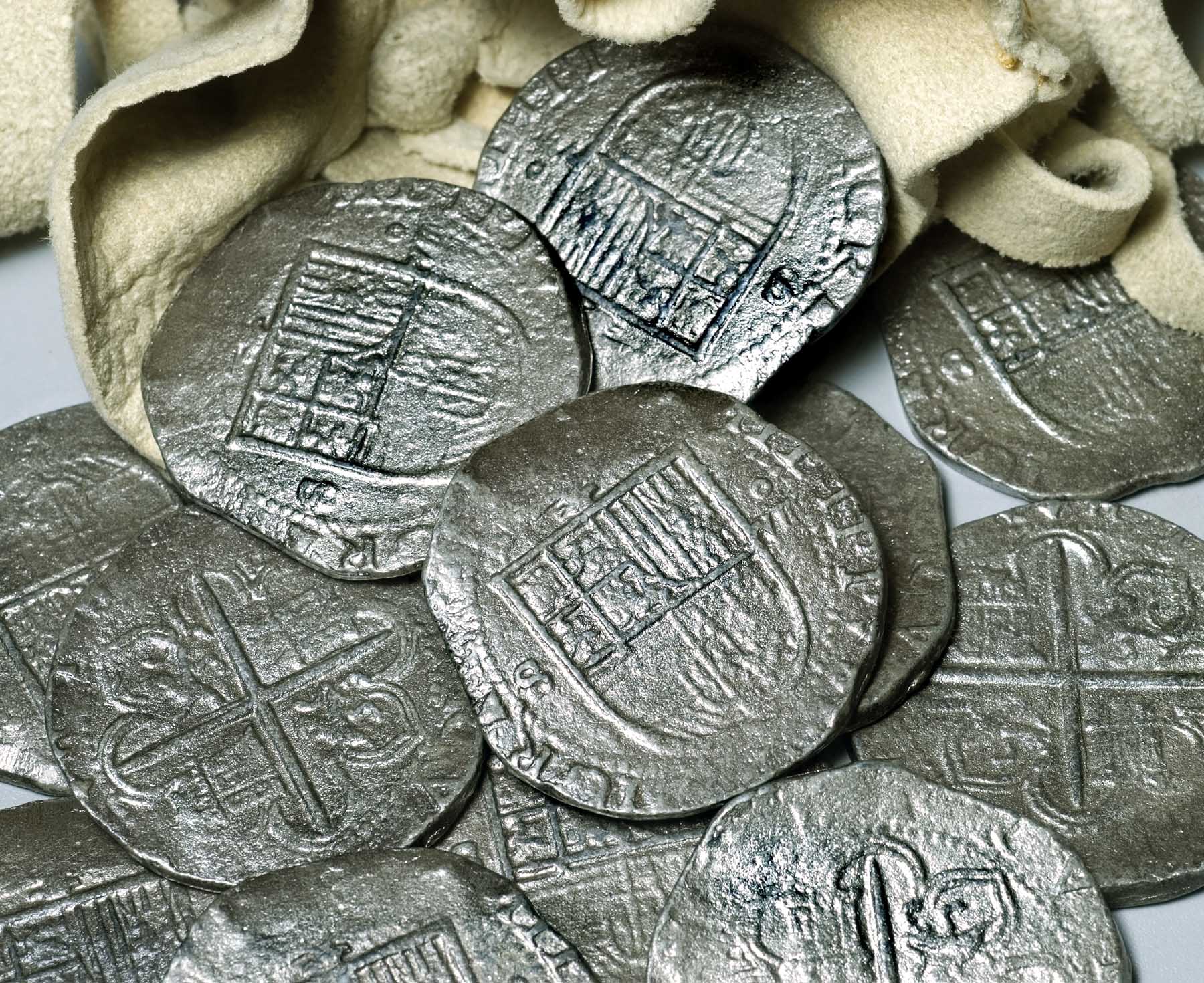
You can also set up a Magical Order to make money. However you cannot really charge people to teach them magic because all the techniques lay open to inspection in the public domain these days and the real challenge lies for individuals to make them work for themselves, you can only really offer encouragement, or pretend to have secrets that you don’t. Thus moneymaking Orders have to rely on the cultish practices outlined above.
A Magical Order may also arise because a number of magicians come together for a specific purpose such as the defence of the realm, or in the case of the KoC, for the defence of the planet.
My personal preference lies for options one and four; I have little taste for cultish practices and priestcraft.
How you present a magical Order depends on your target audience, and perhaps as much on considerations about your non-target audience. Discretion has its virtues.
So now to my second question to you Sef:
I had a ferociously committed Thelemic friend once, but he drank himself into a very early grave, all the while proclaiming Do What Thou Wilt.
How do YOU decide whether someone is doing their true will or not?
Yours in Chaos, Pete.
NB All pictures and captions in blogposts are added by The Blog of Baphomet, not the authors. NW


 The Blog of Baphomet