There are times we all feel low. A lack of control over circumstances, caused by chance events, or from external entities (e.g. stupid people), can throw us off balance in various ways. Health, employment, living arrangements, alterations to our lives undermining the most basic levels of Maslow’s hierarchy of needs.
As magicians we thrive on the feeling of control over our worlds, so a lack of this can hit very hard. Even ordinary developments such as inevitable life flow (our loved ones getting older, our own bodies encountering the vagaries of experience, larger factors changing which alter our expectations of possibility (e.g. economic climate).
The best of us can find these situations challenging. It can take a while before the initial shock of realisation sinks in, and we stand surveying the wreckage wondering just how we can climb onto level ground.
As with many tasks, a good starting place is to examine the possible area of influence. Initially this can be conceptualised as the Self. We can all choose what we do (within physical limitations!) with ourselves. I’ve noticed a tendency of people after a calamity (of whatever scale) to focus on the lack of choices, the limitations, what they cannot do. While these remain it can help enormously to simply ask, So what can I do?
Here, I use the Self in a way that does not restrict itself to the physical skin bounded body. Unless total disaster has occurred, the chances are that we have a place to live we call home, and given how closely this space affects our everyday existence, for the purposes of this essay it can be regarded as a part of the Self we have some influence over.
There is a teaching story, centuries old, which tells of a man who had nothing. He sat in the hut he called home, on the bare wooden floor, put his hands to his head, and cried. After a while he looked up, and through his tears stared blankly at the stark surroundings. Unable to bear the oppressive emptiness, he left the hut and went walking.
As he passed by a rubbish heap, something caught his eye. A rug, of shabby yet still bright colours; it occurred to him that his home would be better with a bit of softness, and colour. So he picked up the rug and carried it back…
Now he sat upon the floor, on the rug, and did not cry. He looked around and wondered, whether perhaps he could do with a small table?
You can see how the rest of the tale unfolds; materials for a basic table are acquired, clever use of old slates and offcuts of timber. As his small home becomes slightly improved, his potential to envisage the next step, to dare to think ahead, increases.
When we feel low, which happens to us all at some times, we can help our Self to feel better by reminding ourselves of what we can do, what we have control over. Having certainties pulled out from under us, the rug from beneath our feet, makes us catch our breath, sets us on the back foot, and disturbs our sleep patterns. Physiological reattunement of those processes within the body (breathing, posture, active relaxation of tension, etc) is easy to find advice on (see any number of internet sites/books/therapists). The next layer outwards, the Self which is our home, receives advice from tv programmes, those wanting to sell us products, or fashion styling websites. However, thinking of the way spatial arrangement of furnishings and colours express and feedback into our psyche has (as far as I know) not yet become a craft many of us have mastered.
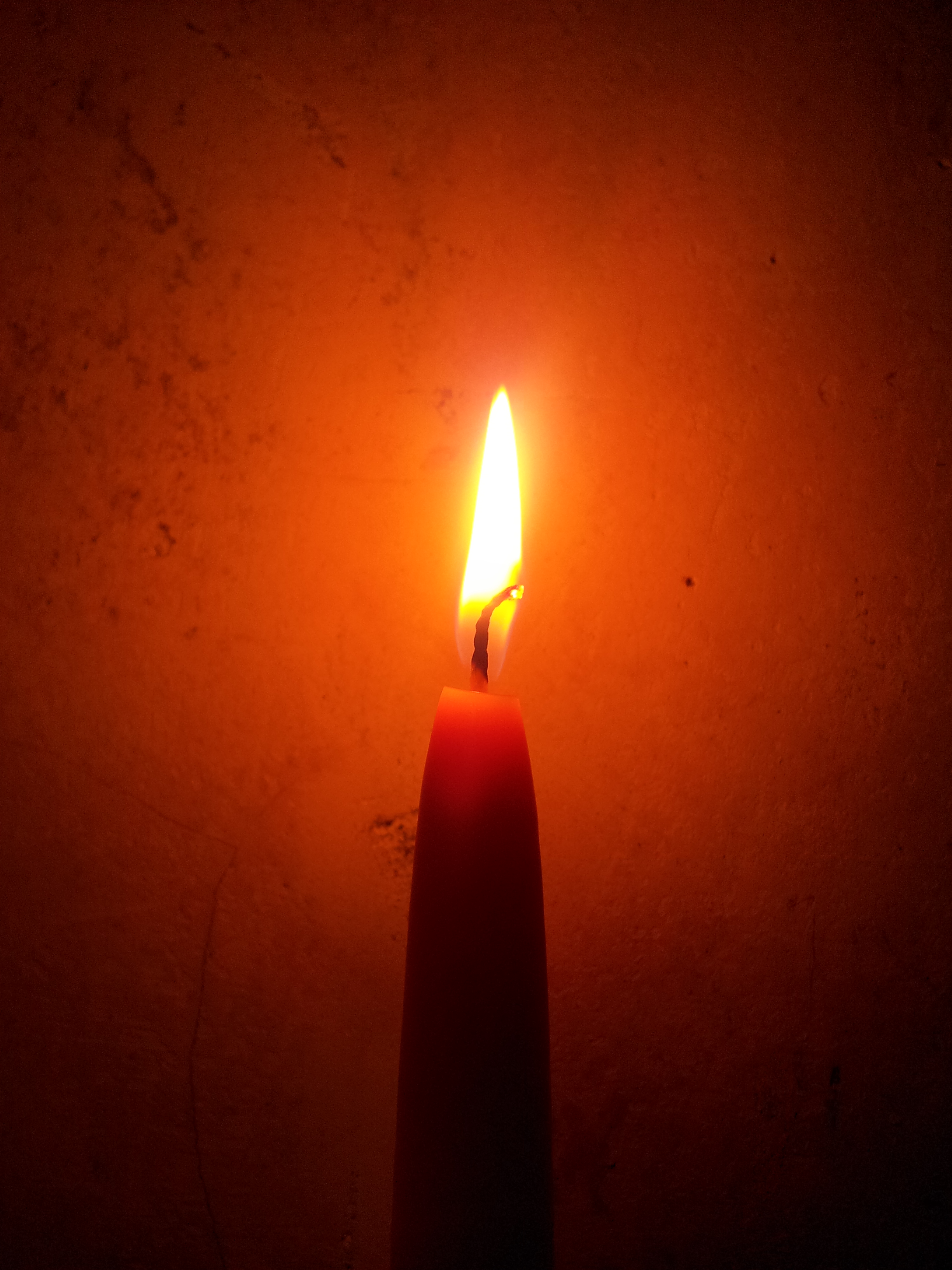
Leaving aside the nuances of such an Arte for now, we can do a few things from our standing start. Stretching the boundaries of the achievable by simple means. Move the furniture in your living room; memories and habits become associated and ingrained by the routes we take, by the walls and window view we stare at. Clear away the unwanted objects that thwart your actions. Bring in some flowers, or other greenery. Light a candle. Change the pictures on those walls. Paint one or two of them if you like.
Better…
In a way, it does not matter exactly what you do; the important thing is to change your visible, palpably sensed environment, in a way which allows for a recognition of your current life activities, your current tastes, to bring the immediate world around you up to date with where you are. With what you do NOW. And here the term ‘now’ includes not merely the instant, but the now which spreads into the time frame of today, of this week, of this month.
Shifting these definitions of Self, of Now, outwards beyond the skin, beyond the present moment, and demonstrating to yourself that you have agency here and now, you can alter the circumstances in which you find yourself; this has great power. Small steps lead to greater perspectives on what may happen next, what you can subsequently affect.
Many times that feeling of victimhood, of ineffective action, seems impossible to break out of. Grooves of behaviour repeat, sitting in the same place, moving around that awkward coffee table corner, memories of previous patterns reinforced by the visual cues present. By shifting a few items, these established patterns are loosened, freeing up the possibilities for alternative behaviours.
Looking with fresh eyes at what we have, how we can arrange it, and what might be acquired to make things nicer; these all feed the growth of healthy attitudes towards those further out areas which can look daunting from afar. Move towards them gradually; remember that you do have other goals (e.g. nicer food, clothes you love, educational courses, travel, better habits, richer social life, creativity), but start closer to home.
For the deity inclined, perhaps set up a shrine to the Lares (the small gods of your physical location, the observers and influencers of a place) and Penates (the small gods who represent the life giving force of a well-stocked inner storeroom). The hearth is the traditional place for these, so the mantelpiece provides an obvious location. Without a hearth, we can construct a shrine which focusses on a safely placed flame (candle in a lantern or other protective holder) to represent the living hearth. Small figures of hero aspects which appeal to you work well for this purpose. Offerings of food & drink, shared with these figures, allow yourself to exercise your ability to care for others. You can also offer smiles and simple recognition of them, thanks for times when your surroundings have provided you with comfort, a friend has offered a welcome helping hand, or a drawer has yielded up that screwdriver you so desperately needed!
Bringing it back to the starting point now, before we get carried away: Start with the personal. You will find it harder to care for or about anything/anybody, if you do not love yourself first, and the simplest way to demonstrate this to yourself is by how you behave towards yourself.
Sit in your home. Close your eyes. Drift away a bit; look at yourself. Ask, What can this person do right here, right now? What options do they have? Can I alter those options?
NW
An aside; I have to say, thank you to Walking. We often ignore the deities that are closest to us, integrated so deeply to our very evolutionary structure that we forget how much power they have. The elements have a certain cache still, earth water fire & air, but those less objective fundamentals get a poor look-in. Asana does allow a bit of sacredness for the process of Breathing, and Sleeping manages a few appearances in mythological existence (even is only as poetic metaphor and place of the more glamorous Dreaming). But Walking gets barely a mention as a magickal/holy technique. Sure the fact of pilgrimage is acknowledged, but the WAY of Walking, the trance states it provides, have largely vanished from our awareness as explicit tools. More on this in another blogpost…)